


When hot foil stamping results are inconsistent—patchy metallic coverage, weak edges, blurred details, or poor adhesion—the root cause is almost never a single factor. Most quality problems stem from an imbalance among four key variables: temperature, pressure, dwell time (speed), and substrate condition. This article explains the most common hot foil stamping quality issues, their likely causes, and a practical step‑by‑step approach to diagnosing and fixing them.
Understanding the Hot Foil Stamping Process
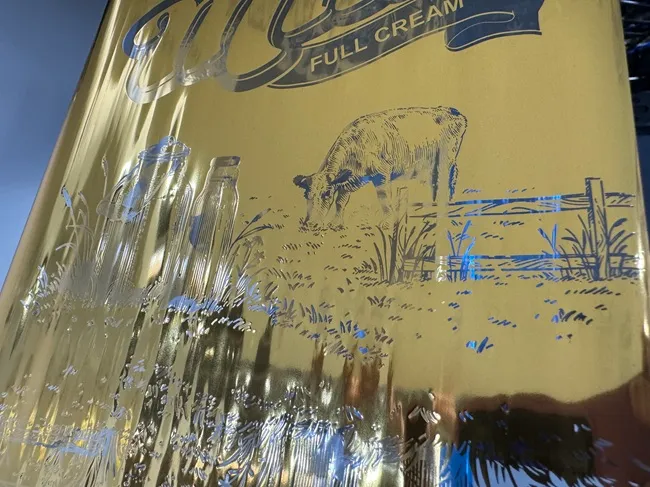
Hot foil stamping is a heat‑ and pressure‑based process that transfers a metallic or pigmented foil from a carrier film onto a substrate (typically paper, cardboard, or certain plastics). A heated die or plate presses the foil against the substrate; the heat activates the foil‘s adhesive layer, and the pressure bonds it to the surface. The quality of the finished result depends on how precisely these variables are controlled.
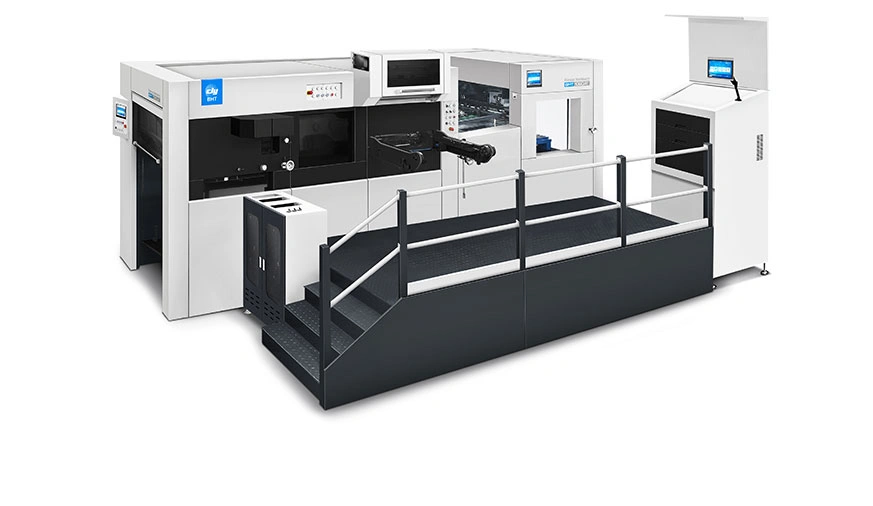
In a modern automatic hot foil stamping and die cutting machine, this process is integrated with die cutting in a single pass. Machines like Dayuan’s BHT, MHK, and MHC series combine hot stamping, deep embossing, and die cutting functions, with format ranges from 820 mm to 1500 mm and multi‑station capabilities for holographic and multiple foil stamping. But even the most capable equipment will produce defects if the process parameters are not correctly set for the specific job.
The Four Critical Variables That Affect Foil Stamping Quality
| Variable | Effect on Quality | Common Issue |
|---|---|---|
| Temperature | Activates foil adhesive; affects bond strength and flow | Too low = poor adhesion; too high = smudging, blurred edges |
| Pressure | Determines foil contact and transfer uniformity | Too low = patchy coverage; too high = foil crush, substrate damage |
| Dwell Time (Speed) | Time heat and pressure are applied | Too short = incomplete transfer; too long = overheating, foil burn |
| Substrate Condition | Surface smoothness, absorbency, moisture content | Rough or moist surfaces reduce foil adhesion |
Common Hot Foil Stamping Quality Problems and Their Causes
1. Foil Does Not Transfer Cleanly (Patchy or Broken Coverage)
Symptoms: Incomplete metallic coverage, broken lines, weak edges, or partial adhesion in solid areas.
Possible causes:
-
Temperature too low — adhesive not fully activated
-
Pressure too low or uneven across the die
-
Dwell time too short — machine running too fast for the foil/substrate combination
-
Dirty or worn die surface
-
Incompatible foil type for the substrate
How to check: Run a test at the machine‘s standard settings for the substrate in use. Gradually increase temperature in 5°C increments (within the foil manufacturer’s recommended range) and observe the transfer quality. If temperature adjustments do not resolve the issue, check pressure uniformity across the die using pressure‑sensitive film.
2. Foil Smudging or Blurred Edges
Symptoms: Metallic finish extends beyond the intended design area, or fine details appear fuzzy.
Possible causes:
-
Temperature too high — adhesive over‑activated and flows beyond die boundaries
-
Pressure too high — foil compressed into substrate surface
-
Dwell time too long — excessive heat exposure
How to check: Reduce temperature in 5°C decrements. If smudging persists, reduce pressure slightly and increase machine speed (shortening dwell time) within the equipment‘s operating range.
3. Poor Foil Adhesion (Foil Peels or Rubs Off)
Symptoms: Foil separates from the substrate after stamping, either immediately or during subsequent handling.
Possible causes:
-
Insufficient temperature for the specific foil adhesive formulation
-
Substrate surface too rough or contaminated (dust, oil, moisture)
-
Incorrect foil type for the substrate material
-
Pressure too low to achieve intimate contact
How to check: Verify that the substrate surface is clean and dry. Confirm that the foil selected matches the substrate type (e.g., paper foil vs. plastic‑compatible foil). Increase temperature and pressure in small steps and test adhesion with a standard tape test.
4. Die Cutting Misalignment or Registration Errors
Symptoms: Stamped foil is not positioned correctly relative to the printed design; cut lines do not align with foil areas.
Possible causes:
-
Feeder misalignment or sheet skew
-
Worn or damaged gripper systems
-
Incorrect die positioning during setup
-
Pressure inconsistency across the platen
How to check: Dayuan machines incorporate an intelligent registration system that achieves maximum ±0.075 mm precision. If registration errors occur, first inspect the feeder for sheet alignment and the gripper bar for wear. The gripper bar accuracy can be adjusted via the PLC touchscreen. For multi‑unit machines, verify that each station‘s servo drive is functioning correctly and that no mechanical loss is affecting the final station.
Diagnostic Checklist for Hot Foil Stamping Quality Issues
Use this checklist to systematically identify the cause of quality problems:
- Check temperature — Is the die temperature within the foil manufacturer’s recommended range? Use an independent surface thermometer to verify.
- Check pressure — Is pressure uniform across the entire die area? Use pressure‑sensitive film to detect high and low spots.
- Check speed — Is the machine running at a speed that allows sufficient dwell time? Slower speeds increase dwell time; faster speeds reduce it.
- Check substrate — Is the paper or cardboard surface clean, dry, and within the recommended grammage range (typically 80–2000 g/m² for Dayuan machines)?
- Check foil — Is the foil type compatible with the substrate? Different foils have different adhesive activation temperatures.
- Check die condition — Is the die clean and free of residue? Is it worn or damaged?
- Check registration — Is the sheet feeding straight? Are grippers holding securely?
When to Seek Technical Support
If the diagnostic checklist does not resolve the issue, the problem may involve mechanical factors beyond routine adjustment:
-
Worn or damaged mechanical components (bearings, linkages, cam followers)
-
Electrical or control system faults
-
Issues with the servo drive system or synchronization between stations
Dayuan machines are built with robust components for long‑term durability, with a designed service life of 20 years or more under proper operation and maintenance. The company operates 50+ top‑tier CNC centers (DMG/OKUMA) and uses Hexagon 3D CMM for quality inspection, ensuring that mechanical precision is maintained throughout the equipment‘s life. During production, measurement, inspection, and testing are conducted to ensure equipment meets drawings, standards, and customer requirements.
For persistent quality issues, reviewing the technical specifications of available configurations or discussing material and production requirements with the supplier is recommended.
Frequently Asked Questions
Q: What is the most common cause of poor hot foil stamping quality?
Temperature imbalance is the most frequent cause. Too low, and the foil won‘t adhere; too high, and it smudges or burns. Always start with the foil manufacturer’s recommended temperature and adjust in small increments.
Q: How does machine speed affect foil stamping quality?
Speed determines dwell time—the duration that heat and pressure are applied. Higher speeds reduce dwell time and may cause incomplete transfer; lower speeds increase dwell time and may cause overheating. The optimal speed depends on the foil, substrate, and die design.
Q: Can the same foil be used on all substrates?
No. Different substrates (paper, cardboard, plastic, leather) have different surface energies, smoothness, and heat conductivity. Foils are formulated for specific substrate types. Using the wrong foil will result in poor adhesion or transfer defects.
Q: How often should the die be cleaned or replaced?
The die should be cleaned after each production run to remove foil residue and adhesive buildup. Replacement frequency depends on production volume and substrate abrasiveness. Signs of wear include inconsistent transfer, increased pressure requirements, and visible damage to the die surface.
Q: What is the typical registration accuracy for automatic hot foil stamping die cutting machines?
High‑precision machines like Dayuan‘s BHT series achieve registration accuracy of ≤±0.075 mm. This level of precision is maintained through servo‑controlled gripper systems and precise feeder alignment. If registration drifts, check feeder alignment, gripper condition, and die positioning.
Q: How can I tell if a quality problem is caused by the machine or the foil?
Run a test with a known‑good foil on a known‑good substrate at the machine‘s standard settings. If the problem disappears, the issue is with the foil or substrate. If the problem persists, the issue is with the machine setup or mechanical condition.
Conclusion
Hot foil stamping quality problems are rarely caused by a single factor. Temperature, pressure, speed, substrate condition, and foil compatibility all interact to determine the final result. The most effective approach to troubleshooting is systematic: start with the foil manufacturer‘s recommendations, verify each variable in sequence, and make small, incremental adjustments.
For packaging professionals, understanding these relationships is essential not only for solving today’s problems but also for making informed decisions when evaluating equipment for future production needs. The right machine configuration—whether a single‑unit or multi‑unit system with independent servo drives—can significantly reduce the variables that cause quality issues.
If you are experiencing persistent quality challenges or planning a new equipment investment, reviewing the available machine configurations and discussing your specific material and production requirements with a technical specialist is a practical next step.